
Healing After Betrayal: Can Trust Truly Be Rebuilt?
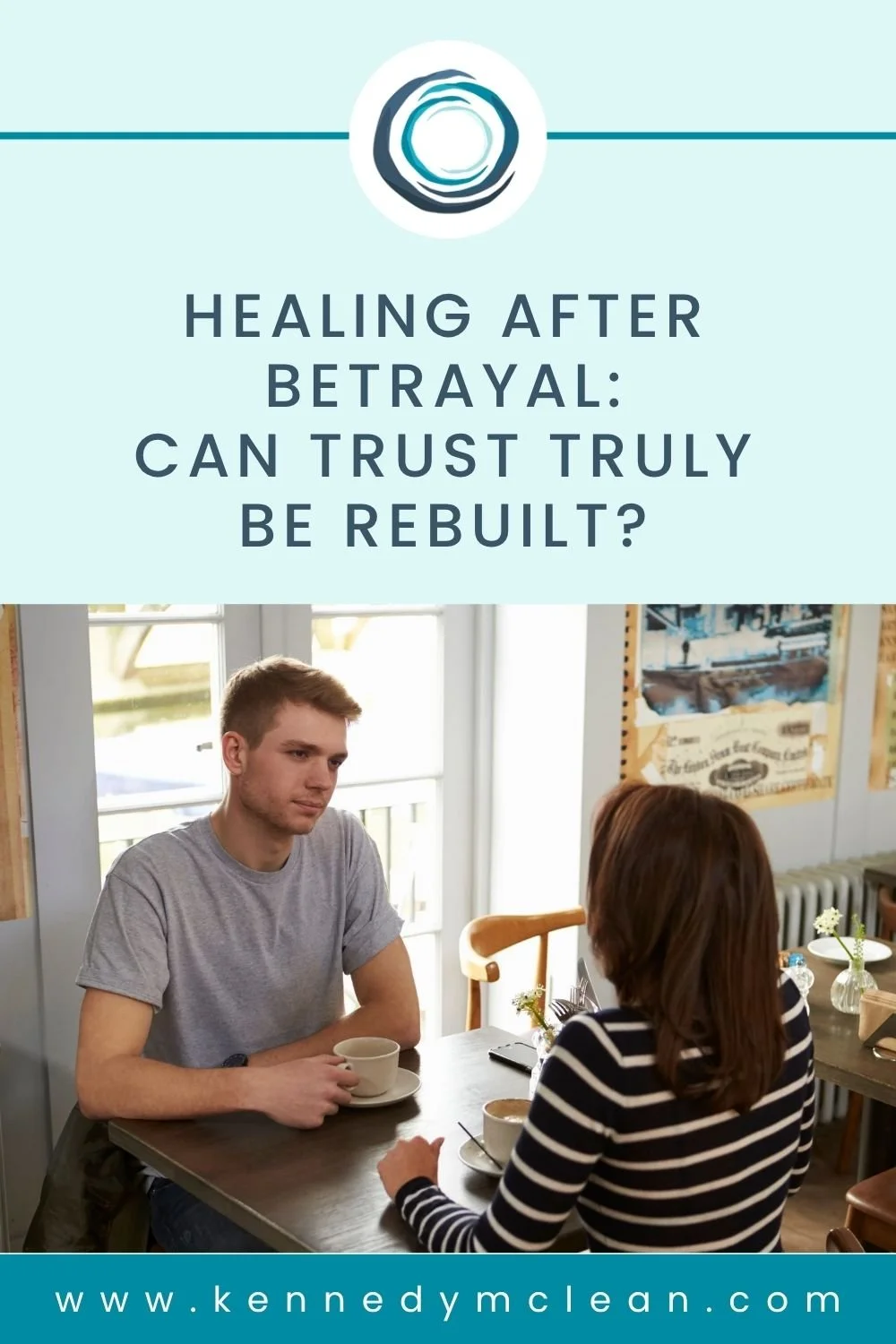
One insight I’ve learned as a therapist is that after betrayal, many couples are not only grieving what happened — they are grieving the version of the relationship they thought they had. Even when both partners want to heal, the emotional shock can make everyday interactions feel uncertain, tense, or emotionally unsafe. I remember one client quietly saying, “I miss feeling relaxed with my partner.” That moment stayed with me because betrayal often impacts the small, everyday sense of safety in a relationship — the ability to trust a text message, enjoy time together, or feel emotionally settled around each other. I often remind couples that healing after betrayal is rarely about “getting back to normal.” More often, it is about slowly creating a new kind of honesty, safety, and emotional connection together.
Betrayal can deeply shake a relationship and a person’s sense of emotional safety. After infidelity, secrecy, dishonesty, or broken trust, many couples wonder whether healing is even possible or whether the relationship will ever feel safe again.
The pain that follows betrayal often affects every part of the relationship. Many couples struggle with trust issues, emotional disconnection, anxiety, resentment, and uncertainty about the future.
At Kennedy McLean Counselling & Psychotherapy, we support couples in healing after betrayal, with services that focus on emotional recovery, communication, and the gradual, realistic rebuilding of trust.
Why Betrayal Affects More Than Trust
Betrayal affects far more than the specific event itself. Betrayal often changes how safe, secure, and emotionally connected both partners feel with each other.
In sessions, I often hear couples say:
“I don’t know what is real anymore.”
“I keep replaying everything in my head.”
“I want to move forward, but I don’t know how.”
“We feel emotionally disconnected now.”
Many people expect betrayal to create anger alone, but betrayal often creates grief, anxiety, hypervigilance, confusion, shame, and emotional exhaustion, too.
One partner may constantly seek reassurance or answers, while the other feels overwhelmed by guilt, defensiveness, or hopelessness. Both partners often feel emotionally stuck, even when both people genuinely want healing.
Why Trust Does Not Return Quickly After Betrayal
Trust rarely returns through promises alone. Most couples rebuild trust through repeated emotional experiences that slowly restore a sense of safety and consistency.
Many betrayed partners tell me:
“I keep waiting for it to happen again.”
“I can’t relax anymore.”
“Part of me wants to reconnect, but another part stays guarded.”
Those reactions make sense. Betrayal often changes how the nervous system responds in the relationship. Even small moments can trigger fear, doubt, or emotional withdrawal after trust breaks down.
Many couples become frustrated because they expect healing to happen faster. One partner may want reassurance that the relationship can recover, while the other partner still feels emotionally unsafe.
That difference often creates additional tension. One partner wants forward movement. The other partner still needs emotional processing and consistency before trust starts feeling real again.
Rebuilding trust after betrayal usually requires transparency, emotional accountability, and consistent repair over time rather than quick reassurance.
What Emotional Recovery After Betrayal Actually Looks Like
Emotional recovery after betrayal usually happens gradually instead of all at once.
In therapy, recovery often begins when both partners stop focusing only on the immediate crisis and start understanding the emotional patterns underneath the betrayal, disconnection, or breakdown in trust.
That work often includes:
Naming painful emotions honestly
Rebuilding emotional safety slowly
Having difficult conversations without escalating into blame or shutdown
Understanding how both partners experienced the relationship before and after the betrayal
Creating consistency through actions instead of promises alone
I often remind couples that emotional recovery does not mean forgetting what happened. Emotional recovery means creating enough safety, honesty, and emotional responsiveness so the relationship feels steadier again.
Many couples begin rebuilding closeness through Emotional Intimacy & Connection work because emotional safety and trust usually heal together.
Why Couples Get Stuck During the Healing Process
Many couples get stuck because both partners protect themselves differently after betrayal.
The betrayed partner may repeatedly ask questions, seek reassurance, or monitor changes closely because the relationship no longer feels emotionally predictable.
The partner who broke trust may shut down, become defensive, avoid conversations, or feel overwhelmed by guilt and shame.
I often see this exact exchange in sessions: One partner says, “I still don’t feel safe.” The other partner responds, “I do not know what else to do.”
Neither partner feels fully understood in that moment, and both often become discouraged.
Many couples also assume healing should follow a straight path. In reality, recovery usually involves progress, setbacks, emotional triggers, difficult conversations, and gradual rebuilding.
Support through Couples Counselling often helps couples slow those interactions down so both partners can better understand what keeps the cycle going.
How Infidelity Repair Counselling Helps Couples Heal
Infidelity repair counselling gives couples a structured and supportive space to process betrayal without allowing blame, defensiveness, or avoidance to take over every conversation.
At Kennedy McLean Counselling & Psychotherapy, we help couples work through trust issues, emotional recovery, conflict patterns, and relationship repair in ways that feel balanced and emotionally safer for both partners.
Therapy does not force couples to “move on” quickly. Therapy helps couples:
Understand the emotional impact of the betrayal
Rebuild emotional safety gradually
Strengthen communication during difficult conversations
Reconnect emotionally and physically over time
Decide what healing and trust rebuilding realistically look like for their relationship
For many couples, healing after betrayal or affair support creates the first space where both partners can openly talk about the pain without the conversation collapsing into blame, panic, or shutdown.
When to Reach Out for Support
You do not need to wait until the relationship feels completely broken before seeking support.
Many couples wait months or years before reaching out because both partners hope time alone will repair the damage. Over time, unresolved trust issues and emotional disconnection often become harder to navigate without support.
If betrayal continues to affect your communication, emotional connection, intimacy, or sense of safety in the relationship, support can help both partners navigate the healing process with greater clarity and structure.
You can learn more about Couples Counselling, explore support through Emotional Intimacy & Connection, or reach out here to begin healing after betrayal in Burlington.
Frequently Asked Questions
Can a relationship survive betrayal?
Yes, many relationships recover after betrayal when both partners commit to honesty, emotional accountability, and rebuilding trust consistently over time. Recovery usually requires patience, emotional openness, and support through difficult conversations.
How long does healing after betrayal take?
Healing looks different for every couple. Some couples begin rebuilding trust gradually within months, while others need longer periods of emotional recovery. Most couples experience setbacks, emotional triggers, and difficult moments throughout the process.
Why do trust issues continue even after apologies?
Apologies alone rarely restore emotional safety after betrayal. The betrayed partner usually needs repeated experiences of consistency, honesty, emotional responsiveness, and transparency before trust starts feeling stable again.
Is it normal to feel emotionally overwhelmed after betrayal?
Yes. Betrayal often creates anxiety, grief, anger, confusion, hypervigilance, emotional numbness, and difficulty feeling safe in the relationship again. Those reactions are common responses to broken trust and emotional shock.
Can couples counselling help after infidelity?
Yes. Couples counselling can help both partners process the emotional impact of betrayal, improve communication, rebuild emotional safety, and better understand the patterns affecting the relationship before and after the betrayal.
What if one partner wants to heal but the other feels unsure?
This situation happens often after betrayal. One partner may want immediate reassurance or repair, while the other partner still feels emotionally uncertain, angry, or guarded. Therapy helps couples navigate those differences more openly and safely.
Can emotional intimacy return after betrayal?
Yes, many couples rebuild emotional intimacy over time as both partners cultivate greater honesty, emotional consistency, accountability, and openness in the relationship. Emotional intimacy usually returns gradually instead of all at once.